
Protect enterprise systems, users, and data with a multi-layered, defense-in-depth security strategy.
Information Security Solutions
Information Security has become a critical pillar of enterprise resilience as organizations adopt cloud platforms, distributed networks, and remote work environments. Integrix delivers enterprise-grade Information Security solutions that combine Perimeter Security, Network Security, Endpoint Security, Cloud Security, Email Security, and Data Security Governance.
Our security solutions help organizations protect critical assets, prevent unauthorized access, and strengthen enterprise risk management—enabling scalable, secure, and compliant environments that safeguard business operations from evolving cyber threats.
Security-Driven Transformation for Modern Businesses
As enterprises operate across hybrid IT ecosystems and distributed environments, traditional security frameworks often struggle to protect users, devices, applications, and data from sophisticated cyber threats.
Modern Information Security frameworks enable organizations to secure infrastructure across network perimeters, cloud workloads, endpoints, and communication channels—ensuring visibility, threat detection, and policy-driven governance across enterprise systems.
Integrix’s Information Security solutions empower enterprises to move from reactive threat management to proactive defense, ensuring compliance, improved security posture, and continuous protection across on-premise and cloud environments.
Our Information Security Capabilities
Perimeter Security
Strengthen the first line of enterprise defense.
- Protect enterprise networks from external threats
- Prevent unauthorized access to critical assets
- Monitor inbound and outbound traffic
- Reduce exposure to cyberattacks
- Secure hybrid IT environments
Tailored perimeter security frameworks protect enterprise infrastructure across network boundaries.

Network Security
Safeguard communication across enterprise systems.
- Protect data in transit across networks
- Implement firewall and intrusion prevention systems
- Secure enterprise communication channels
- Monitor network traffic for anomalies
- Prevent lateral threat movement
Network security ensures safe and reliable data transmission across enterprise environments.

Endpoint Security
Secure enterprise devices from evolving threats.
- Protection of laptops, desktops, and mobile devices
- Threat detection and response
- Device compliance enforcement
- Encryption and patch management
- Data loss prevention
Endpoint security protects connected devices from malware, phishing, and unauthorized access risks.
Cloud Security
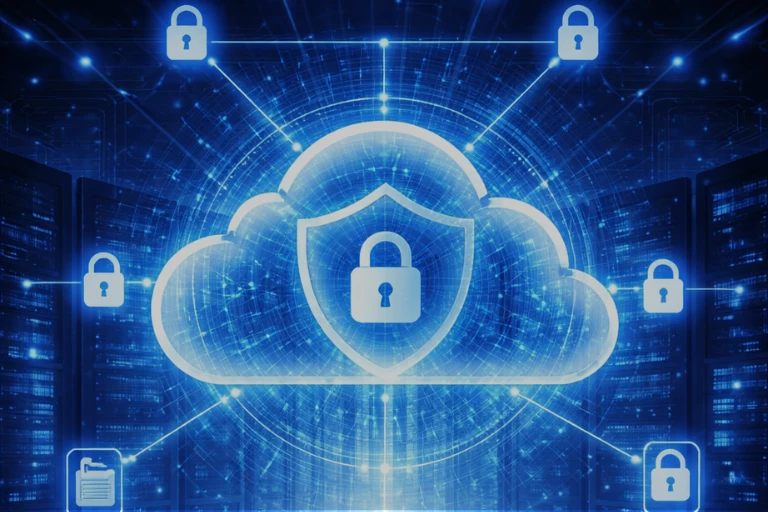
Protect cloud-based applications and workloads.
- Secure cloud data and applications
- Manage identity and access control
- Protect against cloud-based threats
- Support Zero Trust security models
- Maintain compliance across environments
Cloud security protects enterprise assets in SaaS, IaaS, and PaaS environments.
Email Security
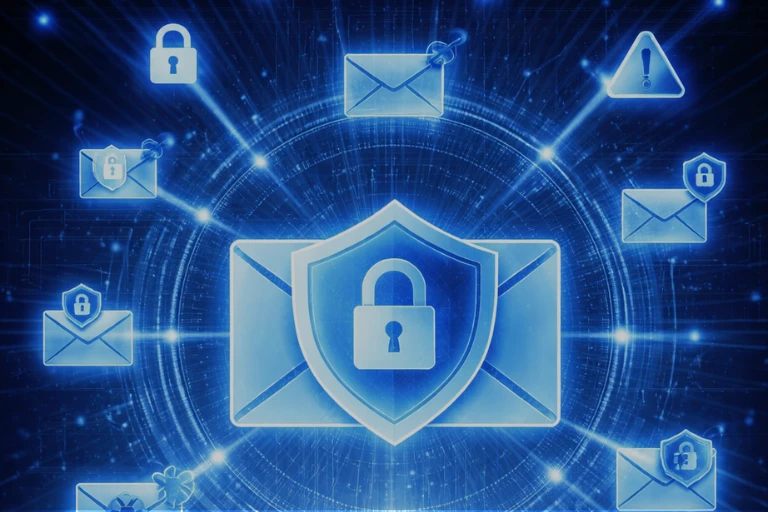
Prevent phishing and malware-based attacks.
- Block malicious emails and attachments
- Detect phishing attempts
- Prevent data leakage
- Protect communication channels
- Improve enterprise threat detection
Email security reduces risks associated with social engineering and cyberattacks.

Data Security Governance
Ensure secure and compliant data management.
- Prevent unauthorized data transmission
- Protect data at rest and in motion
- Enforce enterprise data policies
- Enable regulatory compliance
- Reduce risk of data breaches
Data governance frameworks help prevent data loss and leakage across enterprise environments.

Key Features of Information Security
Multi-Layered Threat Protection
Enterprise Risk Management
Secure Communication Channels
Policy-Driven Data Governance
Continuous Threat Monitoring
Hybrid Environment Security
Frequently Asked Questions
1. What is Information Security?
Information Security includes practices and technologies used to protect enterprise systems, networks, applications, and data from unauthorized access, cyberattacks, and data breaches. It ensures the confidentiality, integrity, and availability of business-critical information.
Why is perimeter security important for enterprises?
Perimeter security protects enterprise networks from external threats by monitoring traffic and preventing unauthorized access to critical systems and data.
How does network security help protect enterprise systems?
Network security safeguards data across enterprise networks by detecting threats, preventing unauthorized access, and ensuring secure communication between systems and users.
What is the role of endpoint security in enterprise IT?
Endpoint security protects connected devices such as laptops and mobile devices from malware, threats, and unauthorized access to enterprise systems.
Why is cloud security necessary for modern businesses?
Cloud security protects enterprise applications and data hosted in cloud environments and helps manage user access and compliance.
How does email security reduce cyber risks?
Email security detects phishing attempts, blocks malicious attachments, and prevents spam-based cyber threats.
What is Data Security Governance?
It involves policies and controls that protect enterprise data and ensure compliance with security standards.
Do you provide end-to-end Information Security services?
Yes, services include network assessment, deployment, monitoring, and performance optimization.
Need 24/7 Protection From Cyber Attacks?